











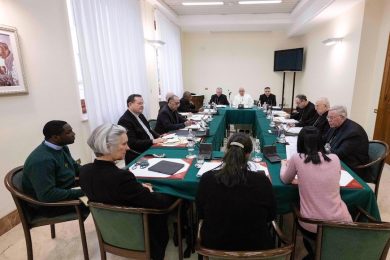
The conversation was filmed in June 2022 for a documentary titled “The Pope: Answers,” released on the streaming service Disney+ April 5.



The conversation was filmed in June 2022 for a documentary titled “The Pope: Answers,” released on the streaming service Disney+ April 5.

The National Center on Sexual Exploitation has quintupled in size to 35, in the past 10 years as the organization’s executive director, has been named its CEO.
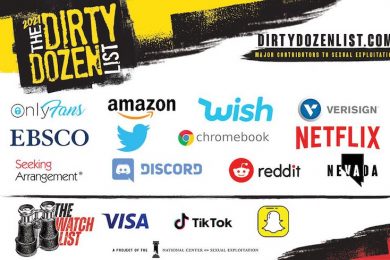
There were dozens of companies that came under consideration for the annual “Dirty Dozen” list of companies produced by the National Center on Sexual Exploitation that profit from pornography.

“Promoting Digital Child Dignity — From Concept to Action,” a Nov. 14-15 conference, brought together religious leaders, academics, policymakers and tech industry leaders from around the world to discuss ways to combat the exploitation of children online.

On March 2-3, the parishes of our diocese will observe Safe Haven Sunday, an initiative to raise awareness about the harmful impacts of pornography and how families can make their homes a safe haven for everyone.
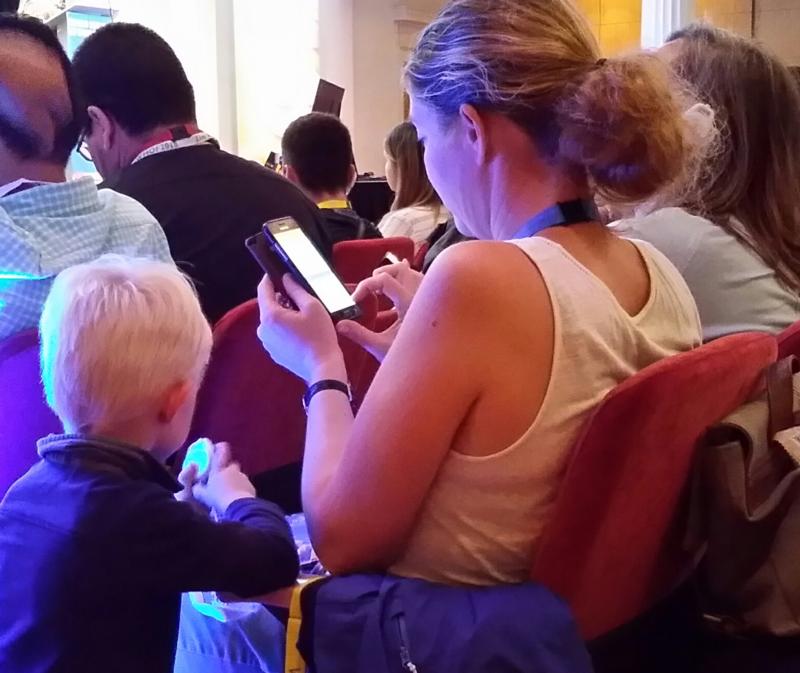
Behavioral scientists and cybercrime experts talked to families about how digital distraction, pornography and the “online echo chamber” impact their lives, during one of the first panels at the international World Meeting of Families.

While the acceptability of porn still holds minority status in the United States, it has climbed to 43 percent, according to Gallup Poll figures released June 5. The number increased by 7 percent from last year’s figure.

The church reminds us pornography is not simply a private matter that impacts only the viewer. Pornography harms others, too.